
When people think about pelvic floor rehabilitation, they often focus solely on the pelvic floor muscles. But these muscles don’t work in isolation.
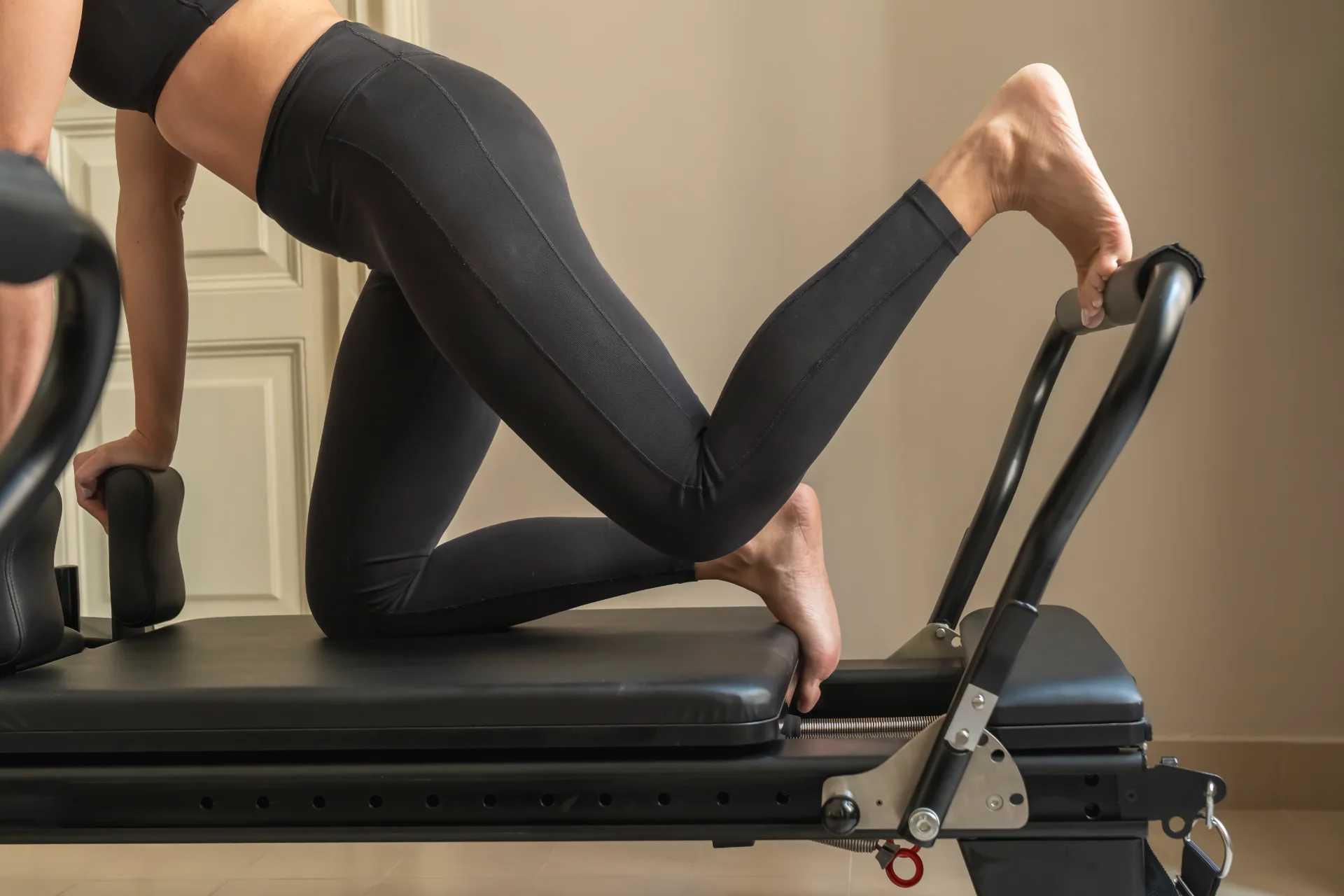
One of the most important muscle groups in pelvic health is the gluteal muscles—your glutes.
Strong, well-functioning glutes help support the pelvis, improve movement and reduce unnecessary strain on the pelvic floor.
Your glutes, deep abdominal muscles, diaphragm and pelvic floor work together as part of a team.
When one part isn’t working efficiently, the others often have to compensate.
Following pregnancy and childbirth, it’s common for women to experience weakness in both the glutes and the deep core muscles. This can affect how you move, lift, walk, run and exercise.
During pregnancy, your posture changes as your growing baby alters your centre of gravity.
Hormonal changes also affect the body’s connective tissues, making joints more mobile.
After birth, many women naturally focus on abdominal recovery but overlook the glutes, despite their important role in pelvic stability.
Weak glutes may contribute to:
Having strong glutes isn’t enough—they also need to activate at the right time.
Many people unknowingly compensate by overusing their hamstrings or lower back muscles instead.
Pelvic health physiotherapy looks at movement patterns as well as muscle strength, helping you build efficient movement that supports both your pelvis and pelvic floor.
There is no single exercise programme that suits everyone.
Some people need to improve glute activation.
Others need better coordination between their breathing, core and pelvic floor.
For some, mobility and movement control are equally important.
Assessment helps identify what your body needs rather than relying on generic online exercises.
A comprehensive postpartum rehabilitation programme doesn’t just focus on one muscle.
It considers how your whole body works together.
Improving glute function alongside pelvic floor rehabilitation can help you move more confidently, reduce symptoms and support a safer return to everyday activities, exercise and sport.
Connect with us!
Lets get started
We and our partners, including Google, use cookies and personal data to analyse traffic and for ads personalisation and measurement. You can accept, reject or choose which cookies to allow. Privacy Policy • Cookie Policy • Terms & Conditions • Google Privacy
We use cookies to help you navigate efficiently and perform certain functions. You can choose which categories to allow below. Cookies categorised as Necessary are always active.
We also use third-party cookies for analytics and advertising. These are only stored with your consent. You can update or withdraw consent at any time via the cookie icon at the bottom-left. This site operates under UK GDPR, the Data Protection Act 2018, and the Privacy and Electronic Communications Regulations (PECR). Cookie Policy • Privacy Policy
Necessary cookies are required for core site features including security, network management, and consent storage.
| Cookie | Duration | Description |
|---|---|---|
hmdg_cookie_consent | 180 days | Stores your cookie consent preferences. |
PHPSESSID | Session | WordPress session identifier. |
wordpress_logged_in_* | Session | WordPress login authentication. |
Functional cookies enable enhanced features such as live chat and remembering preferences.
| Cookie | Duration | Description |
|---|---|---|
wp-settings-* | 1 year | Stores user interface preferences. |
Analytics cookies help us understand visitor behaviour. Controls analytics_storage for Google Analytics 4.
| Cookie | Duration | Description |
|---|---|---|
_ga | 2 years | Google Analytics — distinguishes users. |
_ga_* | 2 years | Google Analytics 4 — session persistence. |
_gid | 24 hours | Google Analytics — distinguishes users. |
_gat | 1 minute | Google Analytics — throttles request rate. |
Performance cookies collect aggregate, anonymous data about site performance.
| Cookie | Duration | Description |
|---|---|---|
_gat_gtag_* | 1 minute | Google Tag Manager — rate throttle. |
Marketing cookies track visits to deliver relevant ads. Controls ad_storage, ad_user_data, and ad_personalization.
| Cookie | Duration | Description |
|---|---|---|
_gcl_au | 90 days | Google Ads — conversion tracking. |
_gcl_aw | 90 days | Google Ads — click attribution. |
_gac_* | 90 days | Google Ads — campaign information. |
IDE | 1 year | Google DoubleClick — ad targeting. |
Powered by HMDG • Cookie Policy